
01
Globally Recognized Degrees
Irish qualifications are respected worldwide (part of Bologna process).
Study destination
Ireland, known as the Emerald Isle, is a beautiful and culturally rich country in northwestern Europe. It offers one of the most modern and globally connected environments for students and professionals alike, with a booming economy and world-renowned universities.
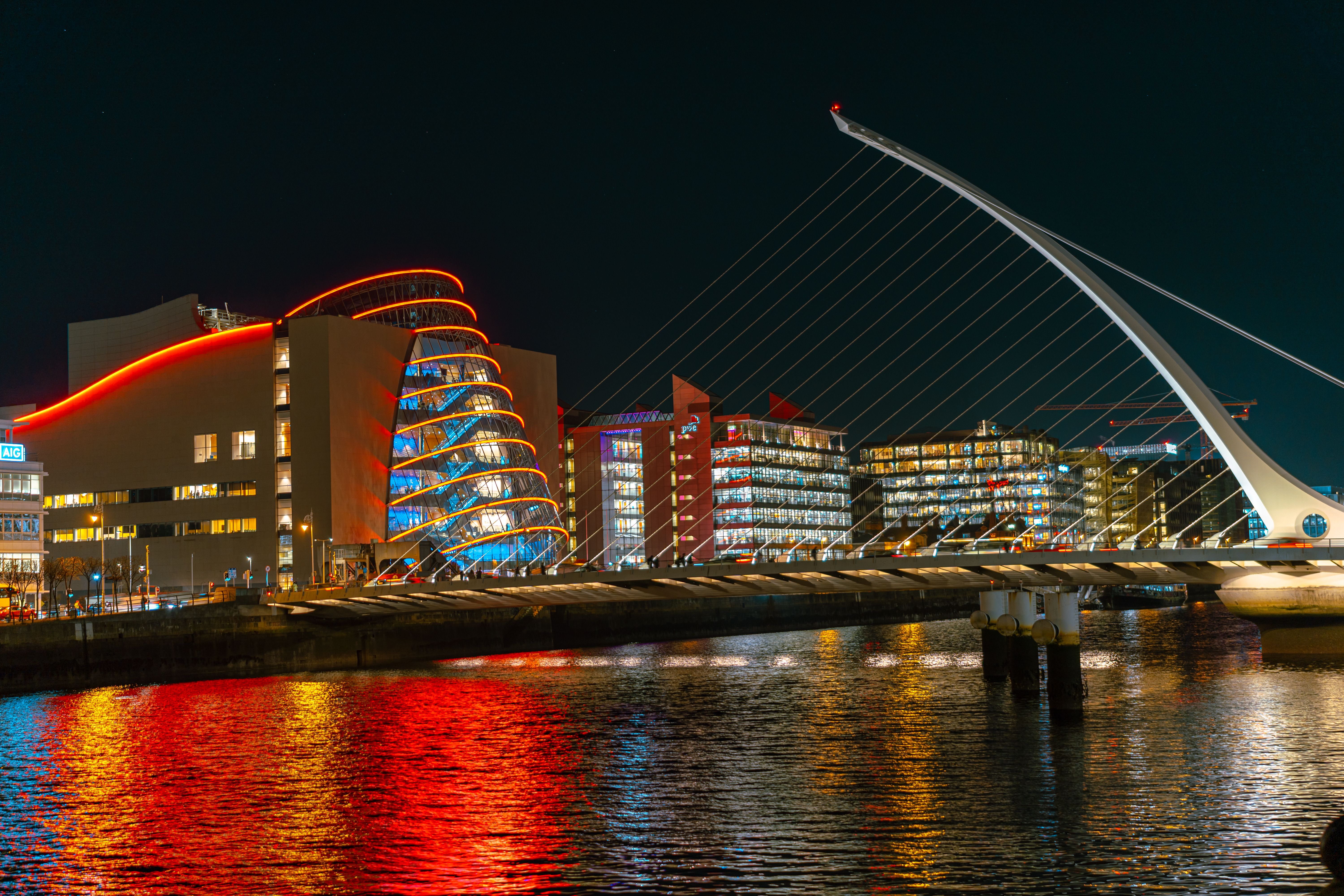

At a glance
Everything you need to know about Ireland before you start planning.
Why this destination
Discover the benefits of choosing Ireland for your education.
Irish qualifications are respected worldwide (part of Bologna process).
Ideal for international applicants as it is the only English-speaking country in the Eurozone.
Home to Google, Apple, Facebook, Microsoft, and many pharma companies.
Up to 2 years of stay-back for job hunting and strong industry links for internships.
Education system
The levels of education and how your work is graded.
Diploma programs.
General UG programs.
Engineering, Science, BBA.
MSc, MBA, MA.
Research-based programs.
Excellent (A / 4.0 GPA)
Very Good (B+ / 3.5 GPA)
Good (B / 3.0 GPA)
Satisfactory (C / 2.0 GPA)
Fail
Essential guide
Tuition, living costs, intakes and other essentials at a glance.
| Key aspect | Details |
|---|---|
| Choose Course & Institution | Shortlist programs based on academic background and career goals. |
| Check Eligibility | Minimum academic requirement: 60%+ in 12th or bachelor's. IELTS: 6.0–6.5. |
| Prepare Documents | Academic transcripts, Passport, SOP, LORs, English test scores. |
| Submit Application | Apply directly via university portal or Central Applications Office (CAO). |
Entry requirements
Academic and English language requirements for international students.
| Program level | Academic requirement | English requirement |
|---|---|---|
| Foundation / Pathway | Class 12th (10+2) with minimum 50%–60% marks from a recognized board. | IELTS 5.0–5.5 / TOEFL 60 / PTE 45 |
| Undergraduate (Bachelor’s) | Class 12th (10+2) with minimum 65%–85% aggregate marks in relevant subjects. | IELTS 6.0–6.5 / TOEFL 80+ / PTE 58+ |
| Postgraduate (Master’s) | Recognized Bachelor’s degree with 60%–75% aggregate marks (First/Second Class). | IELTS 6.5–7.0 / TOEFL 90+ / PTE 65+ |
| Doctoral (PhD / Research) | Master’s degree in a relevant discipline with strong research proposal and faculty mentorship. | IELTS 6.5–7.0+ / TOEFL 95+ / PTE 68+ |
Institutions
Understanding the different kinds of universities and colleges available.
State-funded institutions offering world-class degree programs, extensive research facilities, and competitive tuition fees.
Independent higher education institutions known for specialized programs, smaller class sizes, and personalized career mentoring.
Institutions focused on hands-on technical training, applied engineering, and industry-integrated diploma programs.
Funding
Financial aid opportunities for international students.
€10,000 stipend for one year of study + Full tuition fee waiver.
Full tuition fees, living costs, travel expenses, and health insurance for students from developing countries.
€2,000 to €5,000 tuition fee reduction based on academic merit.
Up to 50% tuition fee reduction for UG and up to 100% for top applicants in selected PG programs.
Merit-based scholarships worth €2,000 to €5,000.
Academic Merit Scholarships (€2,000–€4,000), Women in Business (50%), and Master's Edge (50%).
Up to 25%–100% tuition waiver for international students.
Partial tuition fee waivers (€2,000–€3,000).
€2,000 tuition fee reduction.
Fee reductions for undergraduate and postgraduate programs.
Up to €1,000–€2,000 reduction in tuition based on academic performance.
50%–100% tuition fee discount for postgraduate programs.
Intakes
Admission cycles for international students in Ireland.
This is the major intake for all Irish universities and institutes with most courses available.
Best for: Wider course availability, higher chances of scholarships, and better accommodation options.
Limited intake, but growing in popularity, especially among postgraduate and business/IT programs.
Best for: Students who missed the September intake or need more time for funds and documents.
Very few universities/colleges offer this, mainly in diploma or specialized short-term courses.
Best for: Short-term or private college courses.
| Intake | Starts | Applications open | Courses | Scholarships | Competition |
|---|---|---|---|---|---|
| September Intake | September | Oct - Dec (Prev Year) | High | High | High |
| January Intake | January/February | Aug - Sept | Medium | Medium | Medium |
| Summer Intake | April/May | Nov - Jan | Low | Low | Low |
Top universities
Leading universities in Ireland, ranked by the QS World University Rankings.
| Rank (QS) | University | UG fees / year | PG fees / year | Popular courses |
|---|---|---|---|---|
| #81 | Trinity College Dublin | €18,000 – €25,000 | €18,000 – €25,000 | Computer Science, Business, Law |
| #171 | University College Dublin | €17,000 – €25,000 | €17,000 – €25,000 | Engineering, Finance, Data Analytics |
| #289 | University of Galway | €15,000 – €21,000 | €15,000 – €21,000 | Biomedical Science, Arts, Psychology |
| #292 | University College Cork | €14,000 – €20,000 | €14,000 – €20,000 | Food Science, Pharmacy, Business |
| #436 | Dublin City University | €13,000 – €17,000 | €13,000 – €17,000 | Communication, Engineering, IT |
| #426 | University of Limerick | €12,000 – €16,000 | €12,000 – €16,000 | Mechanical Eng., Marketing, Sports |
| #801–850 | Maynooth University | €12,000 – €16,000 | €12,000 – €16,000 | Social Science, Humanities, Maths |
| #851–900 | Technological University Dublin | €12,000 – €15,000 | €12,000 – €15,000 | Computing, Design, Tourism |
| #1000+ | Munster Technological University | €10,000 – €14,000 | €10,000 – €14,000 | Cybersecurity, Applied Sciences |
| #1000+ | Atlantic Technological University | €9,000 – €13,000 | €9,000 – €13,000 | IT, Business, Marine Studies |
| - | National College of Ireland | €10,000 – €15,000 | €10,000 – €15,000 | Business, Data Analytics, HRM |
| - | Griffith College Dublin | €12,000 – €14,000 | €12,000 – €14,000 | Law, Journalism, Design |
| - | Dublin Business School | €11,000 – €13,500 | €11,000 – €13,500 | MBA, Marketing, Fintech |
| - | Royal College of Surgeons in Ireland | €25,000 – €55,000 | €25,000 – €55,000 | Medicine, Nursing |
*Fees vary by course. Tuition fees are per year for international students.
Admission requirements
What you need to apply to universities in Ireland.
Central Applications Office (CAO) for UG, PAC or Direct Portals for PG.
Varies by institution ($50 to $150 approx. per application).
Certified academic transcripts, degree certificates, and standardized test scores (GRE/GMAT/SAT if required).
Statement of Purpose (SOP), Letters of Recommendation (LORs), updated resume/CV, and passport copy.
Valid IELTS, TOEFL iBT, or PTE Academic score report meeting program minimum thresholds.
Careers
High-demand sectors and the work options open to you after graduation.
1 year stay back for Bachelor's graduates (Level 8) and 2 years for Master's graduates (Level 9).
€35,000 – €100,000+
€40,000 – €60,000+
€35,000 – €90,000+
€35,000 – €70,000+
€30,000 – €50,000+
€30,000 – €65,000
€28,000 – €55,000
Permanent residency
Ireland offers a structured path for international students to transition from study to permanent residency.
Valid for course duration. Allows part-time work during study and full-time during holidays.
Stay-back option post-study (1-2 years). Use this period to find a job and secure a work permit.
Valid for 2 years. Fast track to PR. Requires employer sponsorship and job on Critical Skills list (€32k min salary).
Open to wider job categories. Minimum €30,000 salary requirement. Valid for 2 years, renewable.
Apply after 5 years of legal residence (or 2 years if on Critical Skills permit).
Visas
A quick overview of the visas international students use.
| Visa type | Purpose | Work allowed? | PR pathway? |
|---|---|---|---|
| Type D Student Visa | Study (UG/PG) | 20 hrs/week | Course duration |
| Stamp 2 (Student) | Full-time degree students | 20 hrs/week (term) | Course duration |
| Stamp 1G | Post-study work | Full-time | 1–2 years |
| Critical Skills Permit | High-demand jobs | Full-time | 2 years (then PR) |
| General Employment Permit | Broader employment | Full-time | 2–5 years (then PR) |
| Join Family Visa | Family reunification | Depends on sponsor | Linked to sponsor |
| Tourist Visa (Type C) | Short visit | No | Up to 90 days |
Free counselling
Share a few details and a Dreams International advisor will call you back to map out universities, budget, intakes and visa — one honest conversation, no obligation.
Our study abroad advisors will connect with you shortly.